How to Make an Emergency Fund: A Complete Guide to Building Emergency Savings
Learn how to build an emergency fund from scratch, decide how much emergency savings you need, choose where to keep your money, and create a savings system that protects you from unexpected expenses.

The Goal
An emergency fund is money set aside specifically for unexpected expenses and financial emergencies. The goal is to create a financial buffer so an unexpected bill does not immediately force you into debt.
Key Takeaway
You do not need to build your entire emergency fund overnight. Start with a manageable target, automate your savings and gradually work toward several months of essential expenses.
What Is an Emergency Fund?
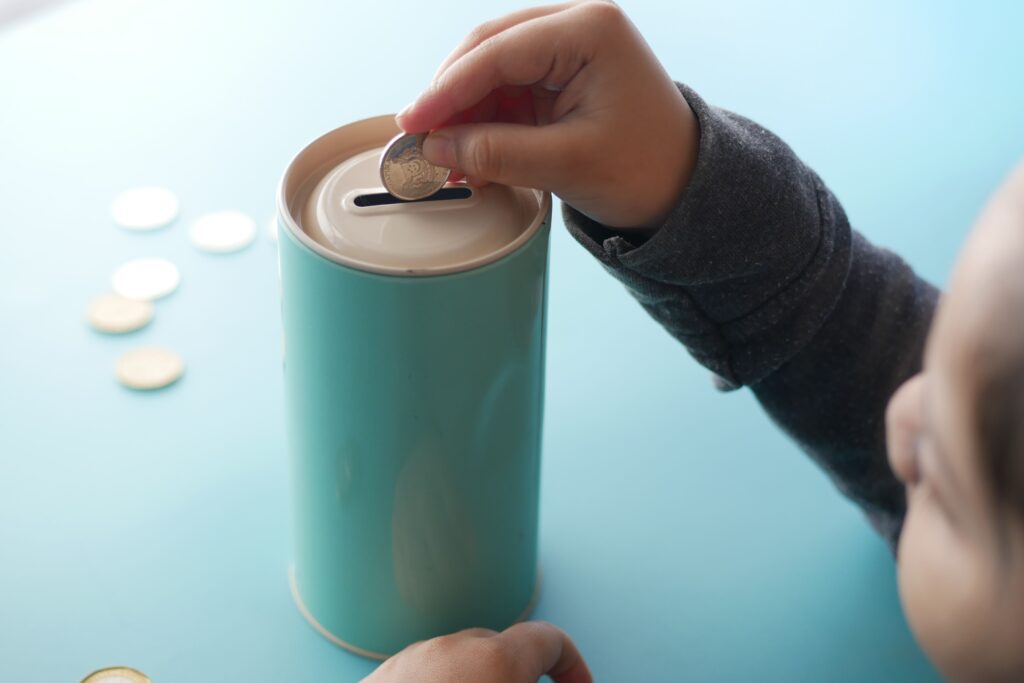
An emergency fund is a dedicated amount of money that you keep available for unexpected financial situations. Instead of using a credit card, taking out a loan or relying on family and friends when something goes wrong, you can use money you have already saved.
An emergency can include an unexpected medical bill, urgent home repair, major car repair, sudden loss of income or another necessary expense that you did not reasonably expect to pay during your normal monthly budget.
The purpose of emergency savings is not to make you wealthy. Its purpose is to give you financial stability and flexibility when life does not go according to plan.
The basic idea is simple: save money during normal months so you have a financial cushion when an abnormal month arrives.
Why Is an Emergency Fund Important?
Without emergency savings, an unexpected expense can quickly become a long-term financial problem. A single large bill may cause you to miss other payments, use expensive credit or reduce money that was intended for important financial goals.
An emergency fund creates a layer of protection between your everyday finances and unexpected events. It can help you handle financial surprises without completely disrupting your budget.
Financial Protection
Emergency savings can help cover necessary expenses without immediately relying on new debt.
Peace of Mind
Knowing that money is available for genuine emergencies can make your overall financial plan more resilient.
An emergency fund can also help you protect other financial goals. For example, if you are saving for retirement, education, a home or another major goal, an unexpected expense does not necessarily have to wipe out the progress you have already made.
How Much Emergency Savings Do You Need?
One of the most common emergency fund questions is: How much money should I have saved for emergencies?
There is no single number that works for everyone. Your ideal emergency fund depends on your income, essential expenses, job stability, household responsibilities, debt obligations and access to other financial resources.
A useful way to set a target is to calculate your essential monthly expenses and then decide how many months of those expenses you want your emergency fund to cover.
| Emergency Fund Stage | Example Target | Purpose |
|---|---|---|
| Starter fund | Small initial cash buffer | Handle smaller unexpected expenses |
| Basic emergency fund | About 1 month of essential expenses | Build an initial layer of protection |
| Stronger emergency fund | About 3 months of essential expenses | Provide greater financial flexibility |
| Large emergency fund | About 6 months or more | Useful when income or expenses are less predictable |
These are planning guidelines rather than strict rules. Someone with highly predictable income and low essential expenses may choose a different target from someone whose income varies significantly or who supports a household.
Start With a Small Emergency Fund
If you currently have no emergency savings, the idea of saving several months of expenses may feel overwhelming. That does not mean you should wait until you can afford a large target.
Start with a smaller milestone.
Your first goal could be simply to create a dedicated emergency savings account and put your first meaningful amount into it. Once you reach that initial milestone, you can continue increasing the balance.
Do not measure success only by how large your emergency fund is today. Measure it by whether you are consistently moving toward greater financial security.
Building an emergency fund is a process. A person who consistently saves a manageable amount every month can eventually create a substantial financial cushion.
How to Calculate Your Emergency Fund
The easiest way to estimate an emergency fund target is to start with your essential monthly expenses.
Your calculation should focus on expenses you would still need to pay if your income suddenly dropped or an unexpected event occurred.
Emergency fund formula:
Essential monthly expenses × number of months you want covered = emergency fund target
For example, suppose your essential monthly expenses total 1,500 in your local currency and you want to build a three-month emergency fund.
Your target would be approximately:
1,500 × 3 = 4,500
The exact amount will depend on your own circumstances, but the calculation gives you a clear target rather than asking you to save an arbitrary amount.
Identify Your Essential Monthly Expenses
Before calculating an emergency fund, separate essential expenses from optional spending.
Essential expenses are costs that are necessary to maintain basic living and meet important financial obligations.
- Housing payments
- Basic utilities
- Essential food and household supplies
- Transportation required for work or daily responsibilities
- Insurance premiums
- Minimum debt payments
- Essential medical expenses
- Necessary childcare or dependent-care costs
- Other unavoidable recurring expenses
Entertainment, luxury purchases, optional subscriptions and other discretionary spending generally should not be the foundation of your emergency fund calculation.
The goal is to determine how much you would realistically need to keep your essential financial life operating during a difficult period.
How to Build an Emergency Fund Step by Step
Once you know your target, the next challenge is turning the goal into a repeatable savings system.
Set a Specific Emergency Fund Goal
Choose an initial target rather than simply saying that you want to save more. A specific amount gives you something measurable to work toward.
Open a Dedicated Savings Account
Keeping emergency savings separate from everyday spending can make it easier to protect the money from accidental spending.
Choose a Monthly Savings Amount
Pick an amount that fits your current budget. A smaller amount that you can maintain is often more useful than an aggressive target that causes you to give up after a few weeks.
Automate the Transfer
Set up an automatic transfer whenever possible so your emergency savings happen consistently instead of depending on whether you remember to save.
Increase Your Savings Over Time
When your income increases or your expenses fall, consider directing some of the difference toward your emergency fund.
Keep Going Until You Reach Your Target
Building an emergency fund takes time. Focus on consistent progress rather than trying to complete the entire goal immediately.
How to Save Money Faster for an Emergency Fund
If you want to build emergency savings faster, look for ways to create additional room in your monthly budget without making the plan impossible to maintain.
- Review recurring subscriptions and cancel services you no longer use.
- Compare regular household expenses and look for cheaper alternatives.
- Reduce unnecessary impulse purchases.
- Direct part of unexpected income toward emergency savings.
- Use temporary spending reductions to accelerate a short-term savings goal.
- Consider increasing income through legitimate side work or additional hours.
- Send a fixed percentage of raises or bonuses into savings.
You do not need to eliminate every enjoyable purchase to build an emergency fund. A sustainable financial plan should leave room for normal life while still making progress toward important goals.
Automate Your Emergency Savings
Automation is one of the simplest ways to make saving more consistent.
Instead of waiting until the end of the month to see what money remains, arrange for a planned amount to move into your emergency savings shortly after receiving income.
This approach can turn emergency savings into a regular financial habit.
Think of saving as a bill you pay to your future self. Put it into your budget before discretionary spending rather than treating savings as whatever happens to remain at the end of the month.
Where Should You Keep an Emergency Fund?
An emergency fund should generally be kept somewhere that is relatively safe, accessible and separate from your everyday spending money.
The best location depends on the financial products available in your country and your personal circumstances.
Accessibility
You should be able to access emergency savings when a genuine financial emergency occurs.
Safety
Emergency savings should prioritize preserving your financial cushion rather than taking unnecessary investment risk.
A dedicated savings account can be useful because it separates the money from your everyday spending account while keeping it available when needed.
Before choosing an account, compare fees, withdrawal rules, interest rates, accessibility and any deposit protection that applies in your country.
Emergency Fund Mistakes to Avoid
Building emergency savings is important, but the way you manage the fund matters too.
Using the Fund for Everyday Spending
Emergency savings should not become a second checking account. Using it for routine purchases can make it difficult to maintain the financial buffer you worked to create.
Setting an Unrealistic Savings Target
A savings goal that consumes so much of your income that you cannot maintain it may eventually cause frustration. Start with a realistic amount and increase it when your circumstances allow.
Keeping Everything in Cash at Home
Large amounts of physical cash may create security and loss risks. Consider the safety and accessibility of the financial institution or account where you keep your emergency savings.
Investing Money You May Need Immediately
An emergency fund has a different purpose from long-term investment money. Money that may be needed during a financial emergency should generally not depend on volatile market performance.
Never Replenishing the Fund
If you use your emergency savings, rebuilding the balance should become a new financial priority once the immediate emergency has passed.
Should You Build an Emergency Fund While Paying Debt?
Many people wonder whether they should stop saving until their debt is completely paid off.
The answer depends on the type of debt, interest rate, income stability and the person's overall financial situation. In many situations, maintaining at least a basic emergency buffer can be useful because having no savings at all can leave you vulnerable to taking on additional debt when an unexpected expense occurs.
A balanced approach may involve building a starter emergency fund while also making required debt payments, then increasing savings and accelerating debt repayment as your financial position improves.
The important point is to avoid thinking about savings and debt as completely separate problems. Your emergency fund and debt strategy should work together as part of your overall financial plan.
Emergency Funds and Irregular Expenses
Not every large expense is technically an emergency.
Some expenses are predictable even if they do not happen every month. Annual insurance payments, school expenses, planned maintenance, holiday spending and certain subscriptions may be irregular but foreseeable.
These expenses can often be handled better through separate sinking funds rather than constantly using your emergency fund.
This distinction can help keep your emergency savings available for genuinely unexpected situations.
How to Rebuild an Emergency Fund After Using It
Using your emergency fund does not mean that your savings plan failed. The fund exists precisely because unexpected expenses happen.
After the emergency has been handled, return to your normal budget and create a new savings target for rebuilding the amount you used.
- Calculate how much you withdrew.
- Review your current monthly budget.
- Set a realistic monthly rebuilding amount.
- Temporarily redirect unnecessary spending if appropriate.
- Automate the rebuilding transfers.
- Return to your normal long-term financial goals once the emergency fund is restored.
The ability to rebuild the fund is just as important as building it the first time.
When Should You Review Your Emergency Fund?
Your emergency fund should change when your financial circumstances change.
Consider reviewing your target after major life events such as changing jobs, moving to a new home, getting married, having children, taking on new debt, changing income or experiencing a significant change in monthly expenses.
You can also review your emergency savings once or twice a year as part of a broader financial checkup.
- Are my essential monthly expenses still the same?
- Has my income changed?
- Do I have new financial responsibilities?
- Have I recently used any emergency savings?
- Is my savings account still suitable?
- Am I still saving consistently?
How to Make an Emergency Fund That Actually Works
Building an emergency fund is one of the most practical steps you can take to strengthen your personal finances. You do not need to have a large amount of money before you begin.
Start by identifying your essential monthly expenses, choose an initial savings target, open a dedicated account and automate a realistic contribution. Then gradually increase the amount as your income and financial situation allow.
The purpose of emergency savings is not to predict every problem that could happen. It is to make your finances more resilient when something unexpected does happen.
A strong emergency fund can give you more flexibility, reduce your dependence on expensive borrowing and make it easier to continue working toward your larger financial goals.
Frequently Asked Questions About Emergency Funds
How much should I have in an emergency fund?
A common planning approach is to build enough savings to cover several months of essential expenses. However, the appropriate amount depends on your income stability, expenses, household responsibilities and financial situation.
How do I start an emergency fund with no money?
Start with a very small amount if necessary. Create a dedicated savings account, choose a manageable recurring amount and focus on building the habit first. You can increase the contribution as your financial situation improves.
Where should I keep my emergency fund?
Emergency savings should generally be kept somewhere safe and accessible, such as an appropriate savings account. Compare fees, accessibility, interest and deposit protection before choosing an account.
Should an emergency fund be invested?
Emergency savings serve a different purpose from long-term investments. Because the money may be needed unexpectedly, accessibility and preservation of the emergency cushion are important considerations.
What counts as an emergency?
Examples can include unexpected medical expenses, urgent repairs, necessary transportation costs or a significant loss of income. Routine purchases and predictable annual expenses are generally better handled through the normal budget or separate sinking funds.
Should I save an emergency fund before investing?
Many people prioritize establishing at least a basic emergency cushion before aggressively pursuing long-term investments. The right order depends on income stability, debt, financial goals and individual circumstances.
What if I have to use my emergency fund?
Using the fund for a genuine emergency is not a failure. After the immediate expense is handled, create a plan to rebuild the amount you used and restore your financial cushion.
Build Your Financial Safety Net One Step at a Time
You do not have to build a large emergency fund in one month. Start with a realistic amount, make saving automatic and keep improving your target as your finances become stronger.
The most valuable emergency fund is not necessarily the one that grows the fastest. It is the one you can build consistently, protect and use responsibly when life genuinely requires it.