What Is Credit? A Complete Beginner’s Guide to How Credit Works
Credit is one of the most important concepts in personal finance. It can affect your ability to borrow money, qualify for financial products, rent a home, finance a vehicle and, in some countries, access certain services. But what exactly is credit, how does it work, and why does your credit history matter?
Last reviewed: September 2026
What Is Credit?
Credit is the ability to obtain money, goods or services now with an agreement to pay for them later. In many everyday situations, credit means borrowing or using money that you have not yet fully paid for, with the expectation that you will repay what you owe according to agreed terms.
When a lender gives you a loan, for example, you receive money today and promise to repay it over time. When you use a credit card, you may purchase something today and repay the card balance later. In both cases, the basic idea is the same: someone provides access to financial value before receiving the full payment.
Credit therefore involves more than simply borrowing money. It involves an agreement between the person or organization providing the credit and the person receiving it. That agreement normally specifies how much can be borrowed or used, when repayment is due, what interest or fees may apply, and what happens if payments are missed.
The word “credit” can also describe your history of managing borrowed money. When people say someone has “good credit,” they are usually referring to a history or credit profile that suggests the person has handled credit responsibly. Exactly how this is evaluated depends on the country, lender, credit-reporting system and scoring model involved.
This distinction is important because credit itself is not automatically good or bad. Credit is a financial tool. The result depends on how it is used, how much it costs, whether the borrowing is affordable, and whether the borrower can meet the repayment obligations.
How Does Credit Work?
Credit generally works by creating a promise between a borrower and a creditor. The creditor provides access to money or another form of value, and the borrower agrees to repay according to the terms of the agreement.
A simple loan illustrates the process. Imagine you borrow $5,000. The lender may agree that you will repay the principal over three years, plus interest and possibly certain fees. You receive the money before you have repaid it, while the lender accepts the risk that you might fail to repay.
The lender therefore evaluates whether the proposed borrowing is appropriate for you. Depending on the product and jurisdiction, the lender may consider income, existing debts, employment, credit history, credit score, collateral and other information.
Step 1: You apply for credit
The process often begins with an application. You may apply for a credit card, personal loan, auto loan, mortgage or another credit product.
The application may ask for personal and financial information. A lender may also request permission to obtain information from one or more credit-reporting agencies.
Step 2: The lender evaluates the application
The lender assesses the risk of extending credit. The exact process differs between lenders and products, but the objective is generally to determine whether the applicant appears capable of meeting the proposed obligations.
A credit score may be one input into that decision, but it is not necessarily the only factor. Some lenders may use income, debt obligations, employment information, collateral, loan purpose and other criteria.
Step 3: Credit is approved or declined
If the application is approved, the lender may offer a specific credit limit, loan amount, interest rate and repayment structure.
An applicant may receive different terms from another applicant because lenders price risk differently. Even people with similar credit scores can receive different offers depending on their financial circumstances and the product they are applying for.
Step 4: You use the credit
With an installment loan, the money is generally provided upfront and repaid over a specified period. With revolving credit, such as many credit cards, you may have an ongoing borrowing limit that becomes available again as you repay what you owe.
Step 5: You make payments
Repayment is the most important part of the credit relationship. Payments may include principal, interest and sometimes fees.
Paying according to the agreement can help maintain a healthy credit history. Missing payments can have financial consequences and may also affect credit information reported to credit bureaus, depending on the applicable reporting rules.
Step 6: The credit relationship continues or ends
An installment loan normally ends after the required amount has been repaid. A revolving credit account may remain open for years, provided the account stays in good standing and the lender continues to offer the facility.
Why Does Credit Exist?
Credit exists because people and businesses frequently need access to money before they have enough cash available to pay for something immediately.
A household might use a mortgage to purchase a home rather than saving the entire purchase price first. Someone might use an auto loan to purchase a vehicle needed for work. A business might use financing to purchase equipment before it has generated enough revenue to pay for the equipment entirely.
Credit can therefore allow people to spread large expenses over time. However, spreading an expense does not make it cheaper. Interest and fees can increase the total amount paid.
Suppose a borrower purchases a $20,000 vehicle using financing. Instead of paying $20,000 immediately, the borrower makes scheduled payments over several years. If interest and fees total $3,500 over the life of the loan, the borrower has effectively paid $23,500 rather than $20,000.
The benefit is access to the vehicle without paying the entire purchase price upfront. The cost is the additional financing expense.
This is why responsible credit use requires looking beyond the monthly payment. A payment can appear affordable while the overall borrowing cost is much higher than the original amount borrowed.
What Are the Main Types of Credit?
Credit comes in many forms. Understanding the differences is important because each type can have different costs, risks and repayment structures.
| Type | How It Generally Works | Common Example |
|---|---|---|
| Revolving credit | You receive a credit limit and can generally borrow, repay and borrow again. | Credit card |
| Installment credit | You borrow a specific amount and repay according to a scheduled plan. | Personal loan |
| Secured credit | The borrowing is backed by an asset or other collateral. | Many auto loans and mortgages |
| Unsecured credit | The credit is not directly backed by a specific asset pledged as collateral. | Many personal loans and credit cards |
| Credit line | You can generally access funds up to an approved limit as needed. | Line of credit |
Revolving credit
Revolving credit allows you to borrow repeatedly up to a specified limit. Credit cards are the most familiar example.
If your credit card has a $5,000 limit and you spend $1,000, you generally have $4,000 of remaining available credit, subject to the account's terms and any pending transactions. As you repay the balance, available credit can become available again.
Revolving credit can be convenient, but it can also become expensive when balances are carried and interest accumulates.
Installment credit
Installment credit involves borrowing a specified amount and repaying it over a defined period. Personal loans, many auto loans and mortgages fall into this category.
The borrower usually makes regular payments according to an agreed schedule. Each payment may contain a combination of principal and interest.
Secured credit
Secured credit is supported by collateral. The collateral gives the lender an additional form of protection if the borrower fails to meet the agreement.
For example, a mortgage is commonly secured by the property being financed. An auto loan may be secured by the vehicle. The precise legal structure varies by jurisdiction.
Unsecured credit
Unsecured credit does not rely on a specific asset pledged as collateral in the same way. Credit cards and many personal loans are examples.
Because the lender does not have the same collateral protection, other factors such as credit history, income and overall financial risk may become especially important.
Credit Cards Are a Form of Credit
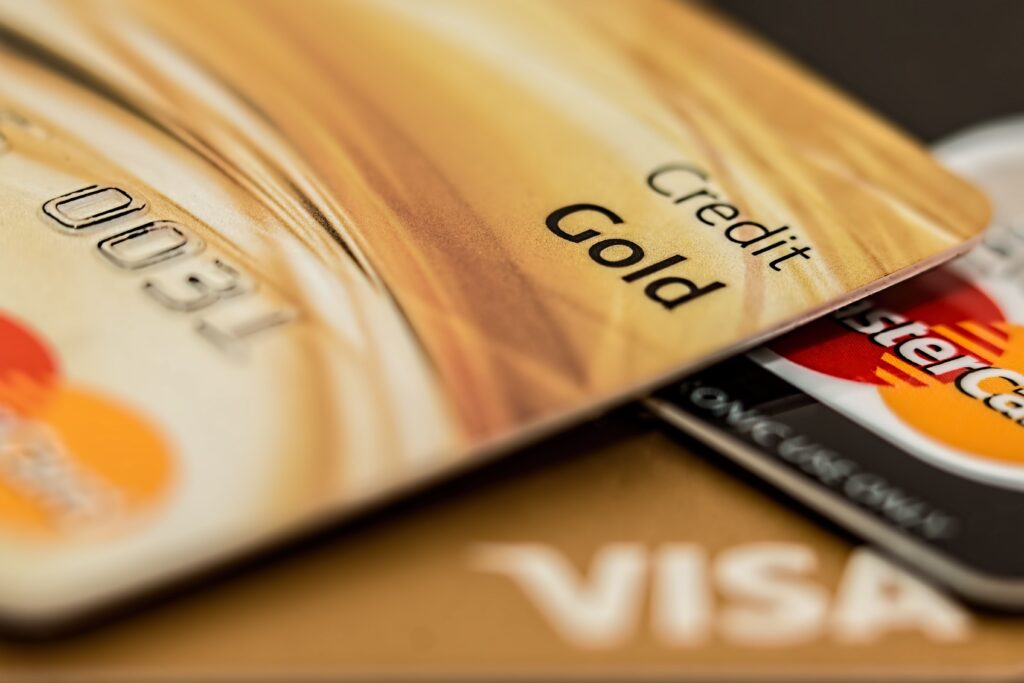
A credit card is not simply another type of bank card. A debit card generally uses money already available in your account, while a credit card allows you to make purchases using a line of credit provided by the card issuer.
When you use a credit card, the issuer pays the merchant according to the card network and account arrangements, and you become responsible for the resulting balance under the card's terms.
Depending on the card and jurisdiction, you may have the option to pay the statement balance in full or carry a balance forward. Carrying a balance can result in interest charges.
Credit cards can therefore be useful payment and borrowing tools, but they require careful management because revolving balances can become expensive.
What Is Credit History?
Credit history refers broadly to the record of how you have used and managed credit over time.
It can include information about accounts, payment activity, balances, credit limits, loan history and other information depending on the reporting system in your country.
A positive history can demonstrate that you have generally handled borrowing responsibly. A negative history can show missed payments, defaults, collections or other problems.
Credit history matters because lenders often want evidence that an applicant can manage financial obligations before agreeing to provide new credit.
What Is a Credit Score?
A credit score is a numerical representation generated by a credit-scoring model using information from a person's credit history or credit report.
The exact scoring system varies. Different scoring models can use different information, weighting systems and score ranges. This means there is not necessarily one universal credit score attached permanently to an individual.
A lender may obtain or calculate a score as part of its assessment of an application. Other lenders may use different models or additional information.
For that reason, it is more accurate to think of a credit score as a measurement produced for a particular purpose rather than as a permanent personal grade.
Why can credit scores matter?
Credit scores can influence lending decisions and, depending on the lender and jurisdiction, may affect the terms offered to a borrower.
A stronger credit profile may make it easier to qualify for certain products or receive more favorable terms, although approval is never guaranteed simply because someone has a particular score.
Credit scoring is therefore only one part of the broader concept of creditworthiness.
What Is Creditworthiness?
Creditworthiness describes how likely a borrower appears to be to meet financial obligations according to agreed terms.
Lenders may evaluate creditworthiness using several pieces of information. Depending on the product, this can include credit history, credit scores, income, existing debts, employment, assets, collateral, loan amount and other factors.
Consider two people who both have similar credit scores. One might have a stable income and low existing debt, while the other has significant obligations and inconsistent income. A lender may view their applications differently.
This illustrates why a credit score should not be treated as the complete picture of someone's finances.
How Much Does Credit Cost?
Credit is rarely free. The cost can come from interest, fees and other charges specified in the credit agreement.
Interest
Interest is the cost of borrowing money. A lender generally charges interest because it is providing capital today in exchange for repayment later and accepting the risk associated with lending.
Fees
Depending on the product, fees may include application fees, origination fees, annual fees, late-payment fees, balance-transfer fees or other charges.
Why the interest rate matters
Even a small difference in an interest rate can have a meaningful effect on the total cost of a large loan or a balance carried for a long time.
Imagine two borrowers each finance $10,000 for several years. If one receives a lower interest rate and the other receives a substantially higher rate, their monthly payments and total repayment can differ considerably even though they borrowed the same amount.
This is why borrowers should compare the overall cost of credit rather than focusing only on whether a lender approves the application.
What Is the Difference Between Credit and Debt?
Credit and debt are related, but they are not identical.
Credit refers to the ability or arrangement to obtain value now and repay later. Debt generally refers to the amount that is actually owed.
| Concept | Meaning | Example |
|---|---|---|
| Credit | Access to borrowing or an agreement allowing payment later. | A credit card with a $5,000 limit. |
| Debt | The amount currently owed. | A $1,200 credit-card balance. |
A credit card can therefore give you access to $5,000 of credit without meaning that you owe $5,000. If you have only used $500, your outstanding debt may be $500, subject to interest and other account activity.
What Is the Difference Between Credit and a Loan?
A loan is a specific form of credit. However, not all credit works like a traditional loan.
With many installment loans, you receive a specific amount upfront and repay it over a set period. A credit card is different because it typically provides revolving access to credit up to a limit.
Think of a loan as a defined borrowing transaction, while credit can be a broader concept covering several types of borrowing arrangements.
Why Good Credit Can Be Valuable
A healthy credit profile can make certain financial activities easier. Depending on your country and the institution involved, it may improve your chances of qualifying for loans or credit cards and may contribute to better borrowing terms.
Good credit can also give borrowers more choices. If multiple lenders are willing to work with you, you may be able to compare interest rates, fees, repayment terms and other conditions instead of accepting the first available offer.
However, good credit does not mean that borrowing more is automatically a good idea. A person can have excellent credit and still take on too much debt.
What Is Good Credit and Bad Credit?
The terms “good credit” and “bad credit” are informal descriptions of the strength of a person's credit profile. The exact definition varies because credit scoring systems and lending standards differ.
In general, a stronger profile is associated with a history of meeting obligations on time, managing balances responsibly and avoiding serious credit problems.
A weaker profile may contain missed payments, defaults, collections, high balances or other negative information.
It is important not to think of credit as permanently good or permanently bad. Credit information can change over time as new payments, accounts and other events are reported.
Can bad credit be improved?
In many cases, yes. Improving credit usually takes consistent financial behavior rather than a single trick.
Strategies may include making payments on time, reducing expensive debt, managing revolving balances carefully, reviewing credit reports for errors and avoiding unnecessary applications for new credit.
The speed of improvement varies substantially depending on the starting point and the information affecting the person's credit profile.
How Credit Can Help You
When used appropriately, credit can provide several benefits.
- Access to major purchases: Credit can make large purchases possible without paying the entire amount immediately.
- Financial flexibility: Revolving credit can provide access to funds when needed.
- Building credit history: Responsible use can contribute to a positive credit record where reporting systems capture the activity.
- Potentially better borrowing terms: A stronger credit profile may help a borrower qualify for more favorable offers.
- Emergency access: Certain forms of credit can provide a financial resource when unexpected expenses arise, although borrowing for emergencies should still be approached carefully.
These benefits should always be weighed against interest, fees, repayment obligations and the possibility of becoming overextended.
How Credit Can Hurt You
Credit becomes dangerous when borrowing grows faster than your ability to repay it.
One of the most common problems is focusing on the minimum monthly payment rather than the total cost. A small minimum payment can make a large balance feel manageable while allowing interest to accumulate for a long time.
Another problem is borrowing for expenses that do not fit within your budget. A lender approving you for a particular amount does not necessarily mean that amount is financially comfortable for you.
Missed payments can also create additional costs and, where reported, negative information that may affect future borrowing.
Imagine someone has a large credit-card balance and focuses only on making the minimum required payment. The account remains current, but interest continues to accrue on the outstanding balance.
If the person continues adding new purchases while making only small payments, the balance can remain high for a long time. The lesson is that making the minimum payment can prevent immediate delinquency, but it does not necessarily make the debt affordable or inexpensive.
How to Use Credit Responsibly
Responsible credit management starts with understanding exactly what you are agreeing to before borrowing.
1. Borrow only what you can reasonably repay
Do not treat your approved credit limit as a recommended spending amount. Your personal budget should determine how much debt you can comfortably manage.
2. Understand the interest rate
Know whether the rate is fixed or variable where applicable, and understand how interest is calculated.
3. Look beyond the monthly payment
Compare the total amount you will repay, not just the advertised monthly payment.
4. Pay on time
Meeting payment deadlines is fundamental to responsible credit management and can be important for maintaining a positive credit history.
5. Monitor your accounts
Review account statements and credit reports where available. Look for unfamiliar activity, incorrect balances or other information that may need attention.
6. Avoid unnecessary applications
Applying for multiple credit products in a short period can create complications and may result in multiple credit inquiries depending on the system involved.
7. Keep an emergency fund
Savings can reduce the need to rely on expensive credit when unexpected expenses arise.
Credit and Your Personal Budget
Your credit decisions should always fit within your broader financial plan.
Before taking on new debt, calculate how the payment fits alongside housing, food, transportation, insurance, utilities, savings and other existing obligations.
For example, a $400 monthly loan payment might look reasonable by itself. But if you already have $1,500 of monthly debt obligations and limited disposable income, the new payment may put considerable pressure on your finances.
The right question is therefore not simply, “Will a lender approve me?” A better question is, “Can I comfortably repay this borrowing while continuing to meet my other financial goals?”
Credit Does Not Mean Free Money
One of the most important lessons for anyone learning about credit is that borrowed money is not free money.
When you borrow, you are exchanging future income for something you receive today. The repayment obligation remains even after the purchase has been consumed.
Consider a vacation paid for entirely with a credit card. The vacation may last one week, but the debt could remain for many months or years if the balance is not paid off.
This is why credit should be viewed as a financial commitment rather than additional income.
Credit vs. Debit: What Is the Difference?
Credit and debit cards may look similar, but the underlying financial mechanism is different.
| Feature | Credit Card | Debit Card |
|---|---|---|
| Source of funds | Generally borrowed from a credit facility. | Generally drawn from available money in your account. |
| Creates debt? | Can create a balance that must be repaid. | Normally does not create borrowing in the same way. |
| Interest | May apply when balances are carried, depending on the terms. | Normally not applicable because you are using your own deposited funds. |
| Credit history | May be reported to credit bureaus depending on the country and issuer. | Usually does not function as traditional borrowing. |
Neither payment method is automatically better in every situation. The right choice depends on your financial circumstances, the protections available, the fees involved and how responsibly you manage the account.
What Is a Credit Report?
A credit report is a record containing credit-related information about an individual. The precise information included depends on the country's credit-reporting system and the reporting agencies involved.
A report may contain information about credit accounts, payment history, outstanding balances, inquiries and other relevant information.
Lenders may use information from credit reports when assessing applications. Consumers should therefore review their reports where access is available and check for information that appears inaccurate or unfamiliar.
Why Your Credit Matters Beyond Loans
Credit can influence more than the simple question of whether you can borrow money.
Depending on the country and applicable laws, credit information may be relevant when applying for credit cards, mortgages, vehicle financing or other financial products. In some jurisdictions, credit information can also be considered in certain rental or service decisions, although the rules and permitted uses differ considerably.
This is one reason maintaining accurate credit information and developing responsible financial habits can be valuable even when you do not currently plan to borrow.
Common Credit Mistakes Beginners Make
- Thinking a credit limit is spending money. A limit represents borrowing capacity, not income.
- Ignoring interest rates. The cost of borrowing can become substantial over time.
- Making only minimum payments indefinitely. This can keep balances outstanding for long periods.
- Taking on debt because you qualify. Approval does not equal affordability.
- Ignoring credit reports. Errors or unfamiliar activity should be investigated.
- Applying for too many accounts without a plan. New credit should have a purpose.
- Closing accounts without understanding the consequences. Account changes can affect your overall credit profile depending on the system.
- Using credit to hide an unsustainable budget. Borrowing can delay a financial problem rather than solve it.
- Confusing a credit score with overall financial health. A score is only one part of your financial picture.
- Assuming every lender uses the same scoring model. Different lenders and products may use different approaches.
How Beginners Should Start Building a Healthy Credit Profile
If you are new to credit, the goal should not be to accumulate as much borrowing as possible. The goal should be to establish a reliable record of managing credit.
Start with a credit product that fits your circumstances and understand every term before accepting it. Use only an amount you can comfortably repay. Make payments on time, monitor the account and avoid taking on multiple obligations simply to create a credit history faster.
Over time, consistent behavior can create a stronger financial record. The process is usually gradual rather than instant.
Beginner Credit Checklist
- Understand the credit agreement before signing.
- Know the interest rate and major fees.
- Know your payment due date.
- Borrow only what fits your budget.
- Make payments on time.
- Monitor your credit accounts.
- Review your credit report when available.
- Question unfamiliar or inaccurate information.
- Avoid unnecessary borrowing.
- Build savings so credit is not your only emergency resource.
Frequently Asked Questions About Credit
What does credit mean?
Credit generally means the ability to receive money, goods or services now and pay for them later under agreed terms. It can also refer more broadly to your history of managing borrowed money.
Is credit the same as debt?
No. Credit refers to the ability or arrangement to borrow, while debt is the amount you currently owe. A credit card can provide a $5,000 limit without you owing $5,000.
Is credit good or bad?
Credit is a financial tool. It can be useful when managed responsibly, but expensive or unaffordable borrowing can create financial problems.
What is a credit score?
A credit score is a numerical assessment generated by a scoring model using credit-related information. Different scoring models can produce different scores.
What is a credit report?
A credit report is a record of credit-related information maintained by a credit-reporting organization. The exact information varies by country and reporting system.
Does using a credit card build credit?
It can, when the account is reported to credit bureaus and managed responsibly. Reporting practices vary by country and issuer.
Can someone have credit without having a credit card?
Yes. Credit includes many forms of borrowing, including personal loans, auto loans, mortgages and other credit facilities.
Does having good credit mean I should borrow more?
No. A strong credit profile can make borrowing easier, but the amount you should borrow should be determined by your budget and financial goals.
How can I start building credit?
Start with an appropriate credit product, understand its terms, borrow only what you can afford, make payments on time and monitor your credit information.
Can bad credit be repaired?
Credit profiles can often improve over time as negative information ages and new positive payment history is established. The process depends on the individual's circumstances and the applicable reporting rules.
The Bottom Line
Credit is fundamentally an agreement that allows you to access money, goods or services now and pay later. It can be an extremely useful financial tool when the borrowing is affordable, the terms are understood and payments are managed responsibly.
But credit should never be confused with free money or additional income. Every amount borrowed creates an obligation, and interest and fees can make the final cost significantly higher than the amount originally received.
Understanding credit is the first step toward using it effectively. Once you understand the basic concept, the next pieces of the puzzle are your credit history, credit report and credit score.
From there, you can learn how lenders evaluate applications, how different types of credit work, how to build a strong credit profile and how to avoid the mistakes that can make borrowing unnecessarily expensive.